
BY CHRISTINE AMEFIAM
A story about women who dominated the sectors of Fashion, business and the sphere of influence.
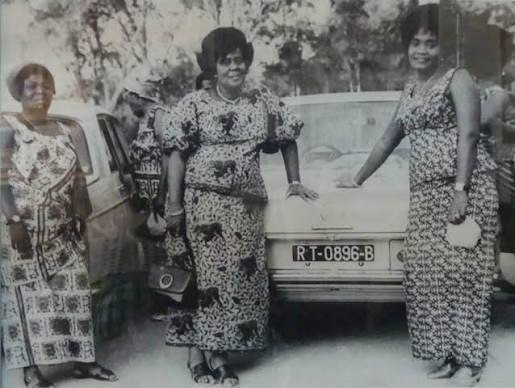
The Nana Benz are businesswomen, originally from Togo, active in the 1960s to 1980s in the lucrative trade of loincloths in Dutch Wax. Nana Benz is the name given to influential and successful textile traders. Nana, in Mina or Ewe, translates to woman, mother or even grandmother, and Benz because they only drove this luxurious car, the Mercedes-Benz, because it was the only car that could carry that much merchandise. These women weren’t just wax traders but also ministers of economy and avant-garde stylists who decided and started the trends. Before the state of Togo had Mercedes-Benz in their country, these women owned their own already. These women brought in up to 45% of Togo’s tax revenue, and they also lent their cars to welcome some presidents.
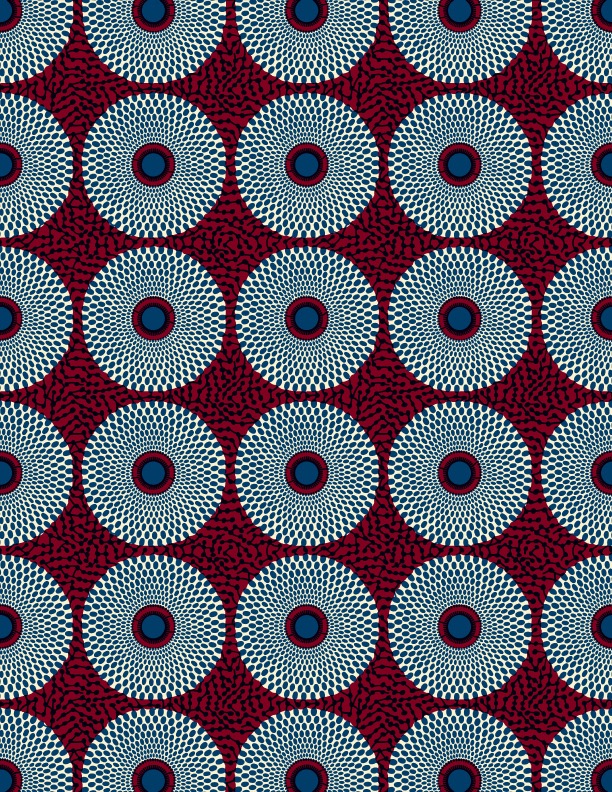
The first among them was Manavi Sewoa Ahianpor, aka “Kpenkpen Dede” born a little after WWI and will suddenly die in 2004. The others: Eunice Adabunu, Dédé Rose Gamel Creppy (the last Nana Benz who died in 2023), Marlène Adanlete-Djondo and Patience Sanvee.
Their activity began around the 1940s and 1950s when they imported fabrics from Ghana. But in the early 1960s, they gradually went up the ladder to do business directly with manufacturers. It’s there that they impacted the designs of Dutch wax patterns. They soon became one of the first millionaire businesswomen in West Africa. Not always literate, they showed themselves to be experts in international trade. They were very respected within the Togolese society and managed to impose themselves even in the Togolese political space (they were, for example, the greatest financial support of the Togolese education committee of President Sylvanus Olympio). The Nana Benzs have also invested in real estate, in Togo and even in Europe (especially in Paris and Brussels).
These women not only they were entrepreneurs but they marked the beginning of the emancipation of women in Africa.
Their golden age was a little before the 1990s but then in the years 2000 and 2001, when the Chinese and Indo-Pakistani waxes began to flood the African market, it stopped blooming. They formed their own children with a given name as the “Nanettes” so that they could give a new view and perspective to the business world.

Leave a comment