
INTERVIEW with ELIZABETH MCILWEE


In a world increasingly driven by fast consumption and affordable alternatives, creating something original comes with an unavoidable risk: someone else can copy it and sell it for less. For independent designers and emerging brands, the challenge is not simply protecting an idea, but communicating the value behind it when cheaper imitations begin to compete with the original.
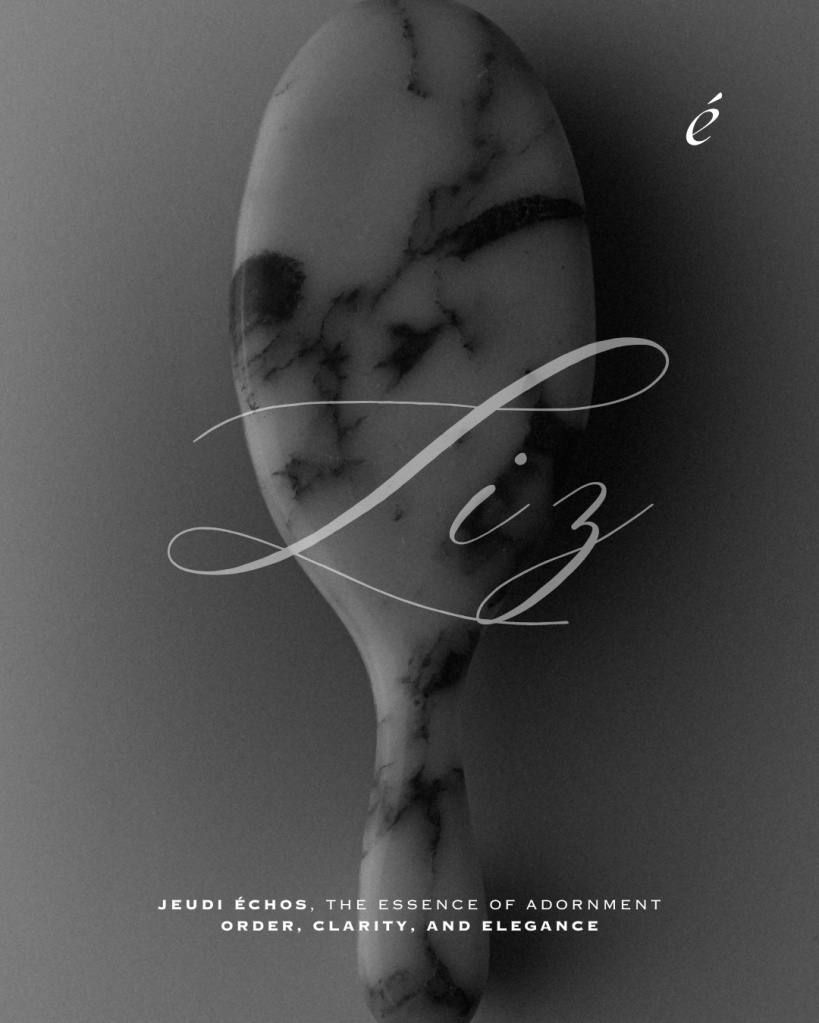
For Elizabeth McIlwee, founder of MRBL, this reality is part of building a brand rooted in thoughtful design and quality materials. Inspired by her own bathroom renovation and her longstanding fascination with marble, McIlwee created the Marble Hairbrush to bring a traditionally luxurious material into everyday life. Her vision was simple: transform an ordinary object into something meaningful, encouraging people to slow down and appreciate the rituals that shape their days.
But when a product is defined by its appearance, what happens when that appearance is copied using less expensive materials?
When Appearance Becomes a Commodity
In today’s marketplace, a product’s visual identity can quickly become its most vulnerable feature. A distinctive shape, a recognisable silhouette, or a carefully considered design can be reproduced, allowing imitations to reach consumers at a fraction of the original price. Yet what looks similar on the surface may be fundamentally different in its construction, material, and intention.
For MRBL, marble is central to that distinction. McIlwee chose Calacatta Viola for its dramatic veining and natural variation, ensuring that every Marble Hairbrush is unique. Unlike mass-produced materials designed for uniformity, natural marble carries its own character, shaped by geological processes over immense periods of time.
This individuality challenges the idea that a product can be fully replicated simply by copying its form. Even when another brand recreates the silhouette, it cannot reproduce the exact stone, its natural markings, or the particular qualities that make each original piece distinct.
As McIlwee explains, “That’s the reality of creating something new: it can be copied, but it can never truly be replicated.”
Her perspective highlights an important distinction between imitation and originality. While the outward appearance of a product may be reproduced, the material choices, development process, and creative decisions behind it are far more difficult to duplicate.
The Hidden Cost of a Cheaper Alternative
When consumers compare an original product with a less expensive alternative, price is often the most immediate difference they notice. But price alone does not tell the full story.
Developing an original object requires more than arriving at an appealing design. It involves time, experimentation, material selection, and the ability to turn an idea into a finished product. When an imitation uses cheaper materials to achieve a similar appearance, much of that creative and developmental work may be invisible to the consumer.
For independent founders, this creates a particular challenge. They must compete not only with other original products but also with copies that borrow the visual language of their designs without necessarily reflecting the same investment in materials or craftsmanship.
McIlwee believes that purchasing an original means investing in the process behind the object, not just the object itself.
“When you buy a Marble Hairbrush from MRBL, you’re not only buying the hours that went into carving it. You’re investing in the years it took me to develop my eye for design, to find the idea, and to see it all the way through to execution,” she says.
Her words point to a part of design that is easily overlooked: the value of the experience and judgment required to create something in the first place. An imitation may resemble the finished product, but it does not represent the same creative journey.
This does not mean that every affordable alternative is necessarily inferior. Rather, it raises a more important question for consumers: Are we paying only for the way something looks, or for the materials, thought, and craftsmanship that make it what it is?
Beyond the Copy: The Value of Original Design
For McIlwee, the issue extends beyond competition. It reflects a broader culture of consumption in which objects are frequently purchased for their immediate appeal and replaced as soon as something cheaper or newer becomes available.
Her alternative is to encourage a more considered relationship with the things we own. Instead of accumulating several inexpensive objects, she advocates investing in fewer pieces that are meaningful enough to keep for years.
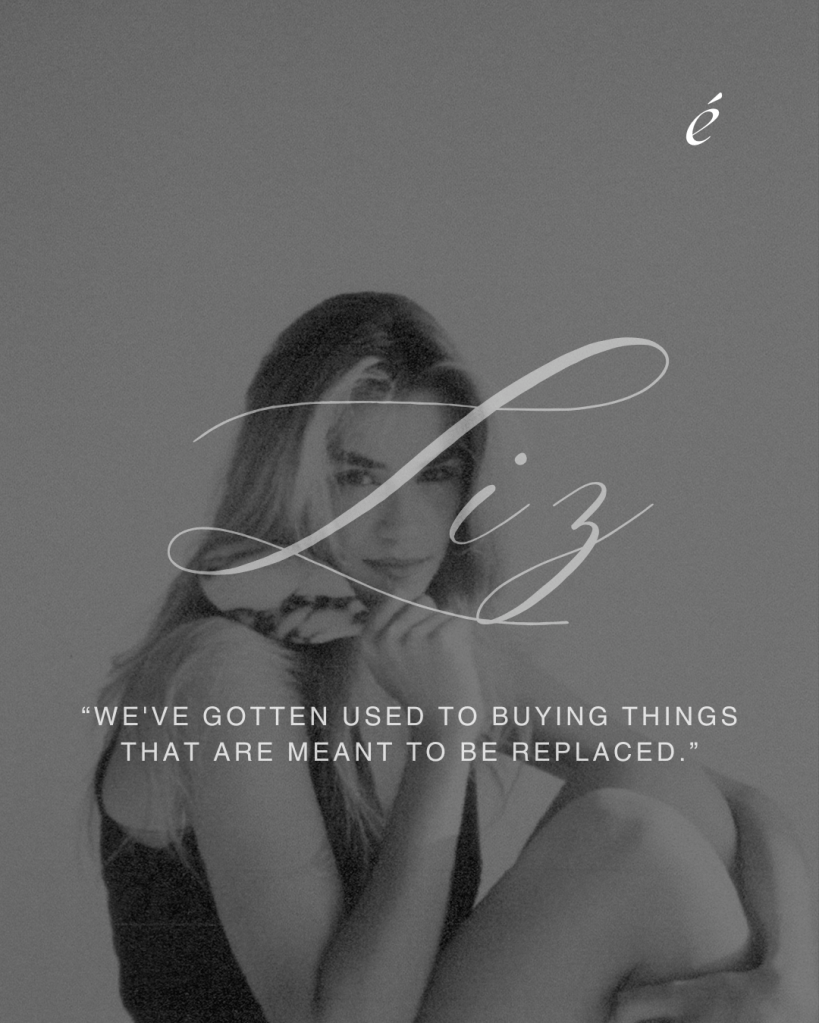
“We’ve gotten used to buying things that are meant to be replaced. I would rather someone own one beautiful thing they keep for years than five things they throw away,” she says.
This philosophy is particularly relevant to products that occupy a place in our everyday routines. A hairbrush may be an ordinary necessity, but MRBL approaches it as an object worthy of attention, both for its material qualities and for the experience of using it.
The brand’s ambition is to make everyday rituals feel more intentional, reminding consumers that design does not have to be reserved for furniture, architecture, or objects displayed behind glass. It can also exist in the small things we reach for every morning.
In this context, the value of an original product is not determined solely by its exclusivity or price. It also lies in the relationship between its design, its material, and the person who chooses to live with it.
Protecting the Idea Behind the Object
For emerging brands, the possibility of imitation is difficult to avoid entirely. A successful design can attract attention, but that visibility can also make it more susceptible to being copied. Competing with cheaper alternatives therefore requires more than emphasising what makes an original product different; it requires building a brand whose identity extends beyond a single object.
McIlwee remains confident that MRBL’s future is not limited to the Marble Hairbrush. She sees it as the first expression of a larger vision, with more objects to come.
That distinction matters. When a brand is built around a clear philosophy, its value is not confined to a recognisable shape that another manufacturer can reproduce. It grows from a consistent approach to materials, craftsmanship, and the role objects play in everyday life.
Ultimately, the challenge of imitation forces both brands and consumers to reconsider what makes a product valuable. If design is reduced to appearance alone, the cheapest copy may seem like the obvious choice. But when material, intention, and the creative work behind an object are taken into account, the comparison becomes more complex.
A copy can reproduce a look. It can compete on price. But originality encompasses more than what the eye can see.
For McIlwee, that is the distinction worth preserving: “A dupe copies how something looks. It can’t copy why it exists.”

Leave a Reply